
Form Follows Function... Or Not...
Clayton Vance · April 20, 2025 · 4 min read
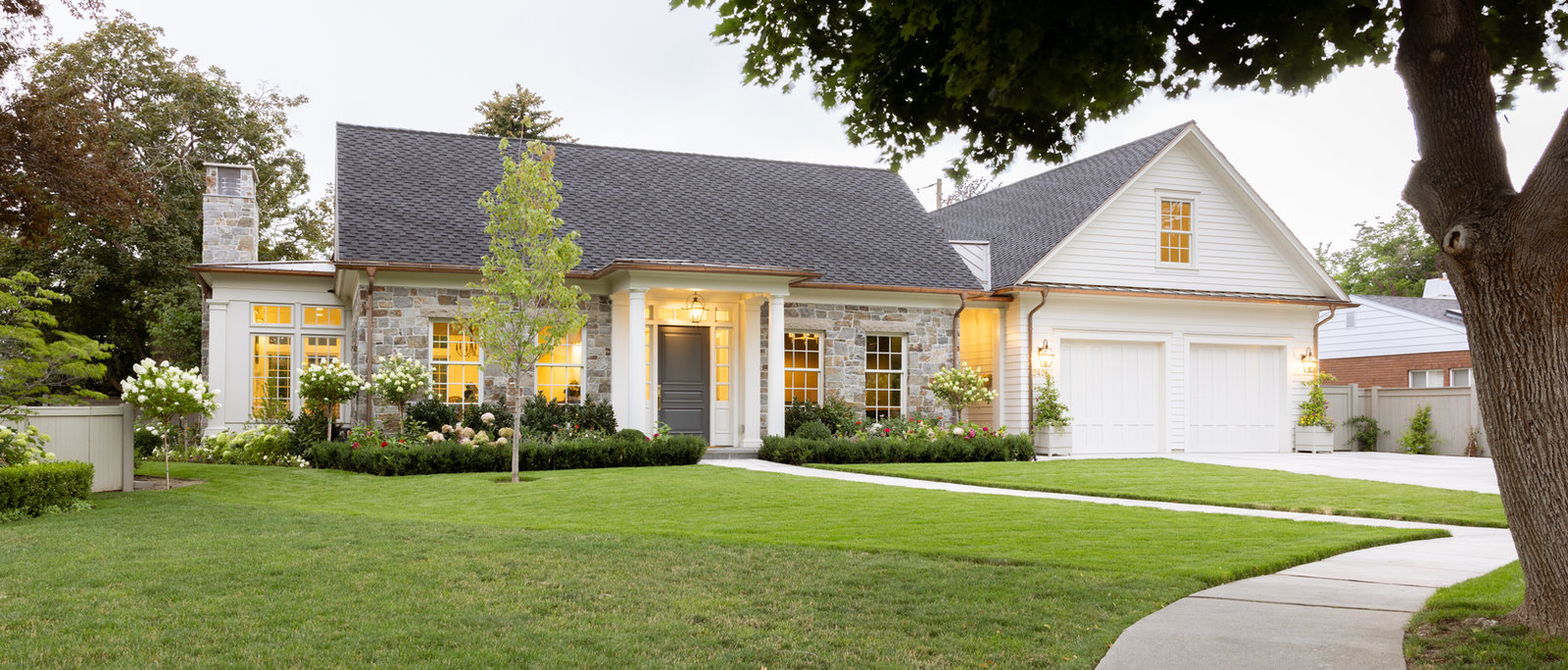
You've probably heard the phrase: "form follows function." It gets tossed around in architecture circles like it's the highest law of design. It sounds intelligent, pragmatic, and rooted in logic. And for a while, it probably was. But also... it might be the reason so many of our buildings today look like emotionally unavailable toasters.
The phrase is attributed to Louis Sullivan and first appeared in his 1896 essay, The Tall Office Building Artistically Considered. It encapsulated Sullivan's belief that a building's design should be intrinsically linked to its intended function — a principle that became a cornerstone of modernist architecture. But like many design maxims, once it caught on, it got flattened and oversimplified.
Enter Le Corbusier, who famously declared: "A house is a machine for living in." To him, the home wasn't a vessel for memory or meaning — it was a piece of industrial equipment. And thus began a century of buildings that were clean, so-called rational, and utterly silent.
But even the ancients knew better. Vitruvius, writing in the 1st century BC, never separated use from meaning. His famous triad — Firmitas, Utilitas, Venustas (strength, function, beauty) — laid out a more holistic vision. Yes, a building should be useful. But it must also carry beauty. It must feel composed, legible, rooted in cultural memory.
Form Should Follow Purpose
Function is not the same as purpose. Function is about what a building does. Purpose is about what a building means. Function is measurable. Purpose is cultural. Emotional. Even spiritual.
Take the example I like to use: the door to a church versus the door to an outhouse. Both doors serve a function. They open. They close. They let you in. But would we ever design them the same way? Should they carry the same scale, the same materials, the same symbolism through detail? If the answer is yes, then we've either stripped all significance from sacred places — or we've started taking our toilets way too seriously.
Buildings used to wear their identities proudly. A town hall looked like a town hall. A courthouse carried civic weight. A library had presence. A home had warmth. Even the barn had dignity. Today? Drive through most modern cities and try to tell the difference between a church, a bank, a school, or a startup office. It's hard.
Buildings That Speak
A home should feel like a home — not a commercial box with clapboard siding. A church should feel elevated, sacred, intentionally different. A civic building should be formal, rooted, structured. These aren't style choices. They're decisions about meaning. Because when everything looks the same, everything means less.
Purpose includes function, but it doesn't end there. Purpose considers the symbolic role of a building. It asks how the building fits into the landscape, into the street, into the daily rhythm of life. When we design with purpose, we don't just make buildings that work. We make buildings that speak. A building that understands its purpose is not just functional. It's memorable. It's meaningful. And most importantly: it looks like it knows what it is.
Further Reading
Why I Still Believe in Beauty
An introduction to what this space is about — and what's at stake. The kind of beauty that transcends time, and why we need to say out loud that it matters.
Beauty Is Not in the Eye of the Beholder
Why good design isn't just about taste — and never was. Beauty is legible, tangible, and built on principles that hold true across every style.